16 Months Out: The Cost Of Cruising
Before we left, I projected our rich new lifestyle would be had for less than the U.S. government’s poverty level for a family of four ($23,050 in 2012). I was wrong (so far).

Before we left, I projected our rich new lifestyle would be had for less than the U.S. government’s poverty level for a family of four ($23,050 in 2012). I was wrong (so far).
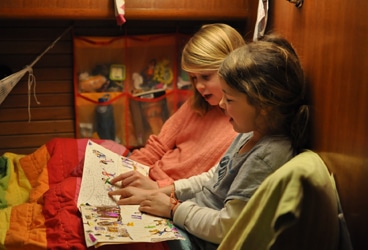
You want to rile a homeschooling parent? Mention the “s” word: socialization.
Michael Robertson laments that cheap beer seems to be a thing of the past now that the Del Viento crew is cruising in Canada.
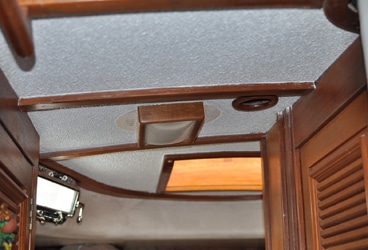
Lighting a boat isn’t like lighting a home, the needs are different.
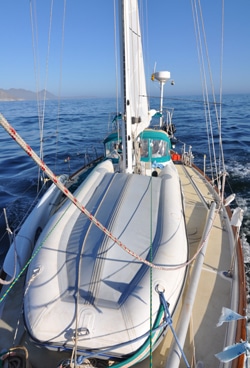
Micheal Robertson discovers that his Portland Pudgy tender can be powered by oars, outboard, sails, and . . . balloons!
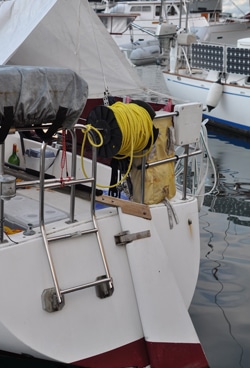
To Michael Robertson, a reel on the stern indicates a serious sailor—an extreme cruiser.
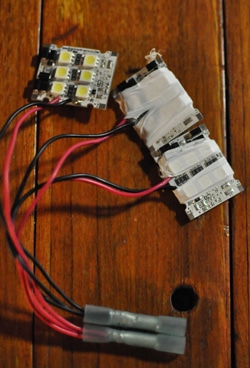
So I’ve been playing around with LED lights, and I discovered something. I don’t know how useful it is, or whether it will diminish the life of the bulb, or cause a fire, but that is all beside the point.
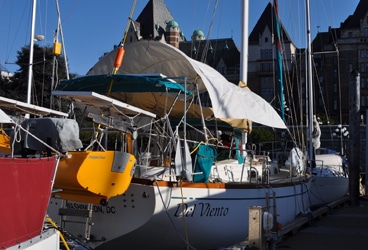
While many aspects of a “stationary” cruising life are the same as regular life, mornings aboard Del Viento are never a mad scramble, the days are never a pressure cooker.
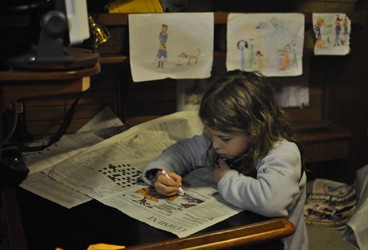
The Robertsons find that life aboard in the wintertime is more damp than they expected.
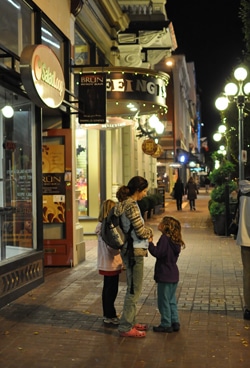
Now immersed Victoria city life, but with no car and no car to borrow, we are reaffirming our pleasure of being unencumbered by an automobile.
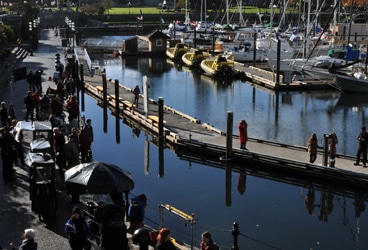
“They’re announcing an evacuation of the marina. It is not a drill.”
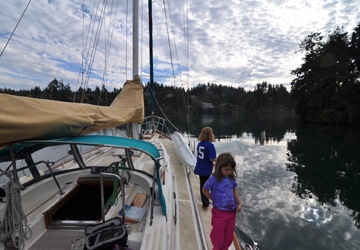
To get to Victoria, we had to come up the relatively desolate Washington coast until we could make a right turn into the strait that separates the United States and Canada: the Strait of Juan de Fuca. This is all new and exciting geography for the crew of Del Viento.
Before we left, I projected our rich new lifestyle would be had for less than the U.S. government’s poverty level for a family of four ($23,050 in 2012). I was wrong (so far).
You want to rile a homeschooling parent? Mention the “s” word: socialization.
Michael Robertson laments that cheap beer seems to be a thing of the past now that the Del Viento crew is cruising in Canada.
Lighting a boat isn’t like lighting a home, the needs are different.
Micheal Robertson discovers that his Portland Pudgy tender can be powered by oars, outboard, sails, and . . . balloons!
To Michael Robertson, a reel on the stern indicates a serious sailor—an extreme cruiser.
So I’ve been playing around with LED lights, and I discovered something. I don’t know how useful it is, or whether it will diminish the life of the bulb, or cause a fire, but that is all beside the point.
While many aspects of a “stationary” cruising life are the same as regular life, mornings aboard Del Viento are never a mad scramble, the days are never a pressure cooker.
The Robertsons find that life aboard in the wintertime is more damp than they expected.
Now immersed Victoria city life, but with no car and no car to borrow, we are reaffirming our pleasure of being unencumbered by an automobile.
“They’re announcing an evacuation of the marina. It is not a drill.”
To get to Victoria, we had to come up the relatively desolate Washington coast until we could make a right turn into the strait that separates the United States and Canada: the Strait of Juan de Fuca. This is all new and exciting geography for the crew of Del Viento.