Stepping off the French Bee gangway into the San Francisco International Airport terminal, I met a blast of stale, climate-controlled air. It had been months since I’d traded my worn-out swimsuit for jeans, and I felt the chill seep through my unfamiliar, constrictive clothes. Surrounded by crowds, I paused at the threshold between my cruising life and the world I had left behind. Then, with a deep breath, I crossed over into the chaos.
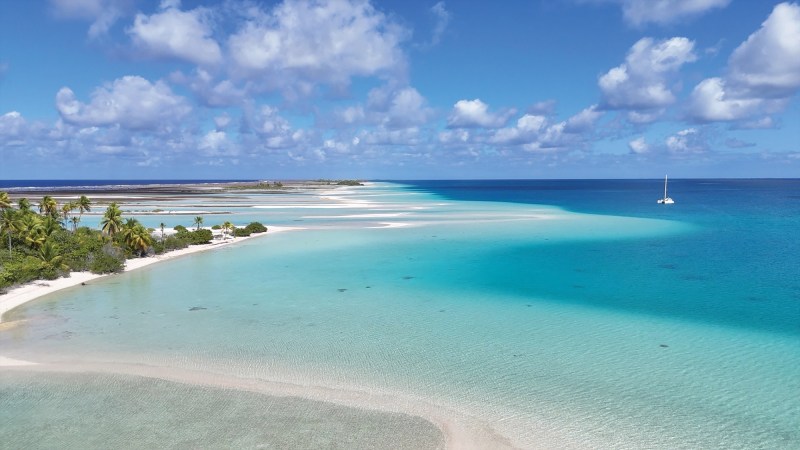
The Tuamotus, one of the most remote regions on Earth, couldn’t be more different from the fast-paced world where my family and land-based friends live. As I walked across the glossy terrazzo floor toward the ground transportation hub, a thought crossed my mind: Would I experience culture shock?
The answer came quickly: Yes, and it would have its ups and downs.
The variety and availability of food stateside was unparalleled anywhere in French Polynesia. From fresh vegetables to ice cream and prepared ethnic meals, it was all within easy reach. However, the out-of-sync prices made my head spin. For example, the inexpensive sushi-grade yellowfin tuna I’d grown accustomed to buying at roadside stands in Tahiti was nowhere to be found in New York for less than $40 per pound. Yet, the purple cabbage that I had paid about $12 for in Fakarava was only $4 in the United States.
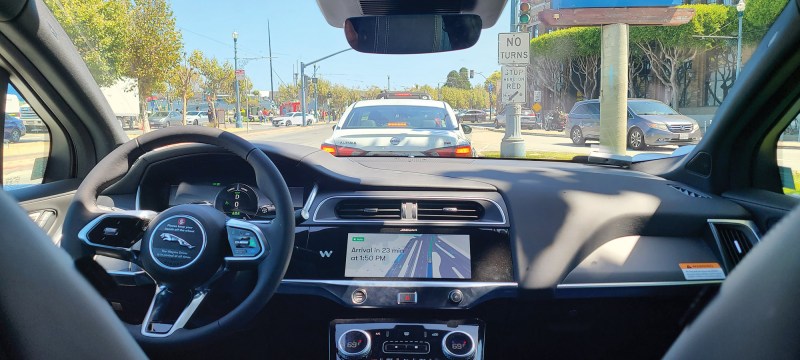
And the sheer number and size of cars was overwhelming. People zipped around in oversized vehicles that starkly contrasted with the five-speed Peugeot we rented for one day over five months. Also, the options available to us seemed endless. Friends offered up cars left behind by their college-bound kids, and services like Uber, Lyft and even driverless Waymos (in San Francisco) were ubiquitous, albeit for a steep fee. While crowded, public transportation in larger cities was modern and efficient, offering me a more economical and eco-friendly alternative.
The most striking aspect of being back in the States was the overuse of plastic. I knew from experience that too many to-go cups, complete with lid and straw, would wind up on the uninhabited atolls we had just sailed to. Waste seemed more excessive than I remembered, from plastic fruit containers to mylar balloons. I couldn’t help but wonder if single-use dental floss picks had always been a thing or if I was noticing them now with a heavier conscience.
I also found people’s casual use of water slightly shocking. I cringed as friends let the sink run in the background while chatting, seemingly unaware that “liquid gold” was pouring down the drain, and I found myself crossing kitchens from Seattle to New York to stop the flow. The high water pressure in the bathroom felt almost sinful, making every shower a guilty pleasure. However, sticking to my new rule of keeping dishwasher and washing machine cycles under 15 minutes proved easy because these luxuries now felt excessive in the absence of such appliances on our boat. On that note, I’ll refrain from commenting on America’s obsession with clothes dryers.
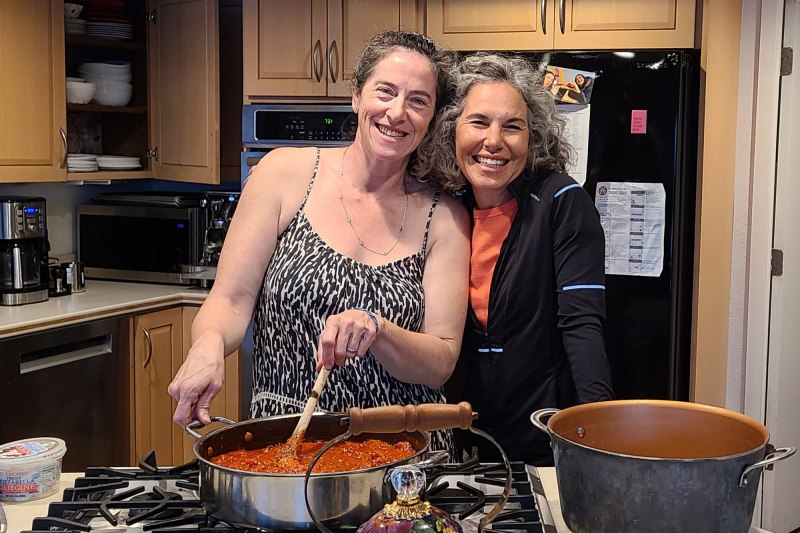
More than anything, culture is about people. After living aboard in French Polynesia for four months (with previous long stays in the Galapagos, Panama, Puerto Rico and the Bahamas), I noticed stark differences among my fellow Americans. Intricate, monochromatic Polynesian tattoos had been replaced with multicolor declarations of love and worship stateside. Traditional pareos and flower accessories were swapped for leather jackets and baseball caps. Rigorous outrigger canoe workouts were traded for pickleball games. Finally, the relaxed sailor’s vibe, of which I had grown fond, gave way to the severity of cultural norms.
Yet, despite these surface-level changes, the spirit of generosity remained the same. Whether it was freshly picked fruit from a Marquesan’s backyard, fish from a fellow cruiser or a hearty ragu from a relative’s stovetop in the United States, the act of giving transcended borders. Across continents, the simple gesture of sharing food has remained a constant—a reminder that a grapefruit, handed from one person to another, is more than just a piece of fruit.
At times, I found myself torn between two worlds. Nostalgia pulled me toward the warmth of home, where siblings bickered playfully over breakfast, and old friends laughed about shared misadventures. But then, a small trigger—a text alert, a severe weather warning—would transport me back across the Pacific. I longed for the sound of rippling water in an uninhabited atoll, the sight of whales spouting and the melodic chatter of locals greeting each other: La ora na.
In the end, returning to the United States was wonderful and overwhelming. I covered five cities in three weeks, leaving a hefty carbon footprint in my wake. Culture shock followed me everywhere, but ultimately, I found peace wherever I stood because I knew that no matter where I was in the world, the ocean was my home and never far away.
Jill Gallin, a US Coast Guard-licensed captain, pediatric nurse practitioner and mother of two, is sailing the world with her husband, Michael, aboard their Outremer 49. Follow their voyage at svgerty.com.