Best-Case SAR Scenario
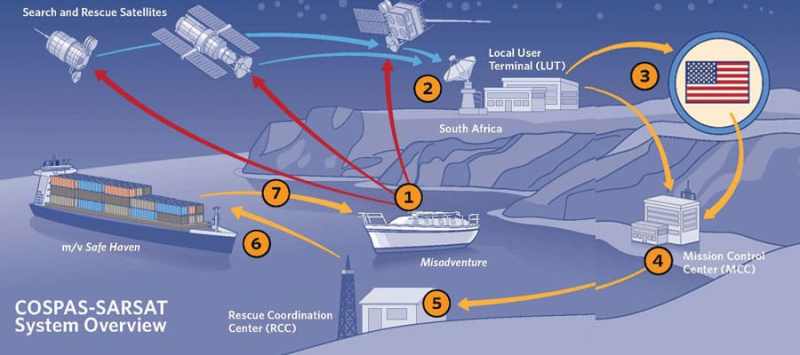
Get an overview of the best-case search and rescue scenario after you activate an EPIRB.

Get an overview of the best-case search and rescue scenario after you activate an EPIRB.
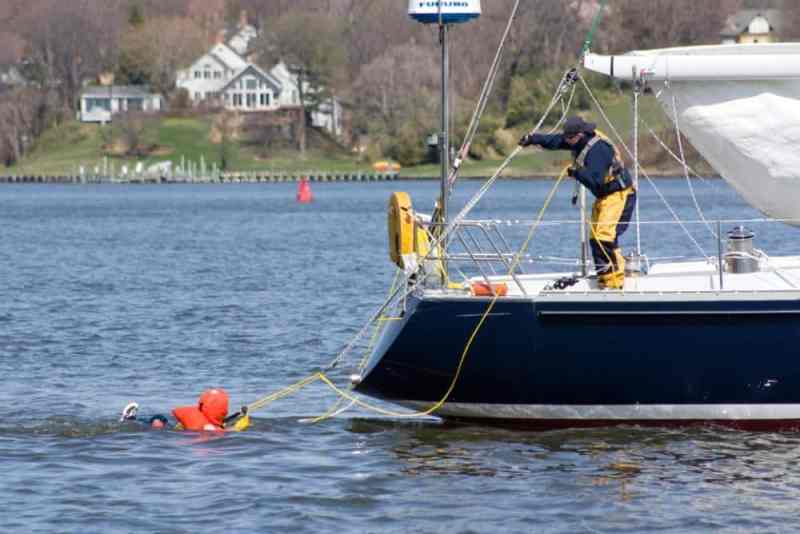
This November, shift your focus to safety at sea. Here are five stories from our archives that will help you keep trouble at bay.
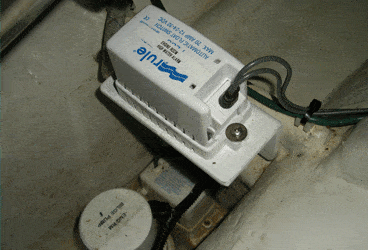
Simple to install and easy to test, these systems will alert you when things go awry in the bilge. Hands-on Sailor from our August 2011 issue.
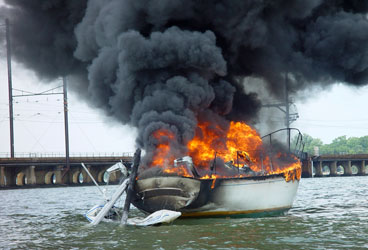
Inexpensive detectors are good insurance when it comes to fire safety on your sailboat.
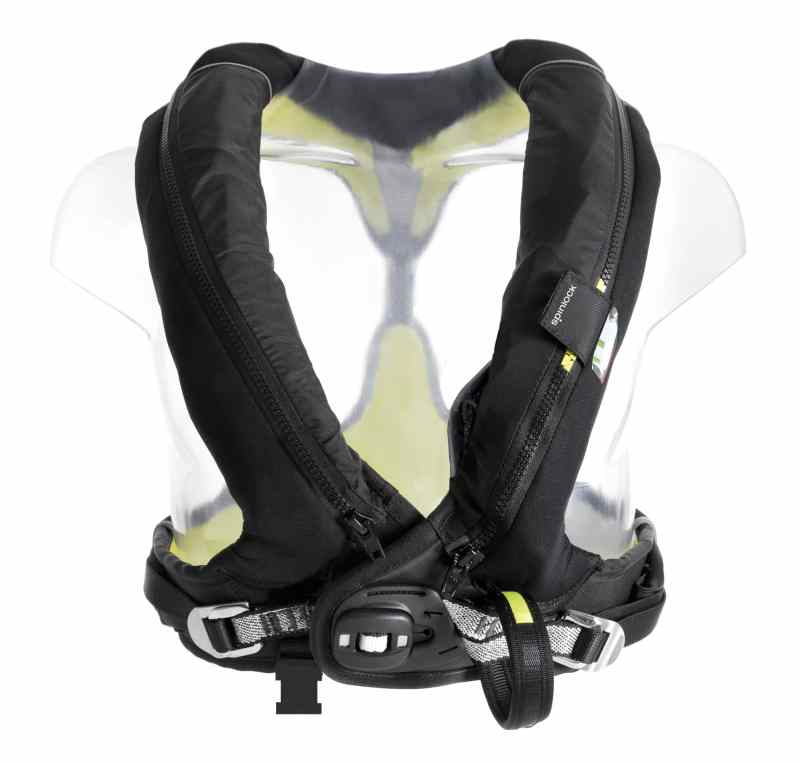
Spinlock recalls some deckvests.
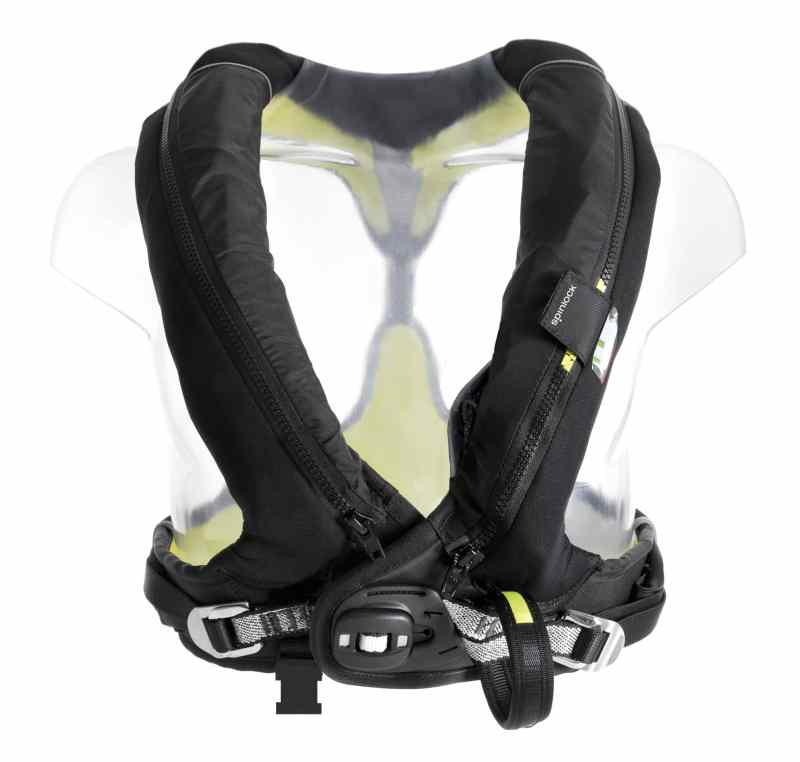
Spinlock recalls some deckvests.
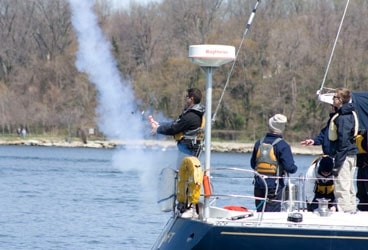
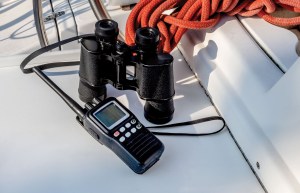
Pyrotechnic and non-pyrotechnic signal aids are critical to help rescuers pinpoint your boat’s exact location in an emergency. “Hands-On Sailor” from our November 2010 issue.
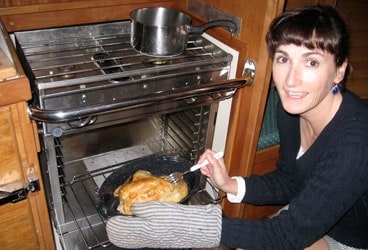
A humble box of baking soda can do more than just keep the fridge smelling sweet. “Hands-On Sailor” from our November 2010 issue
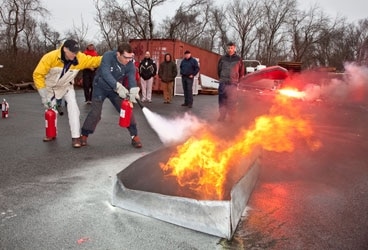
“Fire!,” like the cry “Crew overboard!,” is a warning no sailor ever wants to hear. “Hands-On Sailor” from our November 2010 issue
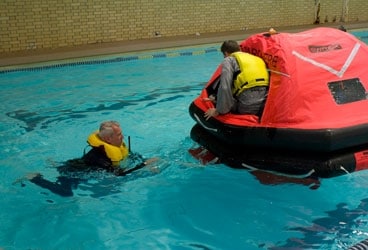
An afternoon sail goes awry with the call of “Fish on”, the skipper learns a lesson in Murphy’s Law. From the Editor’s Log in our November 2010 issue
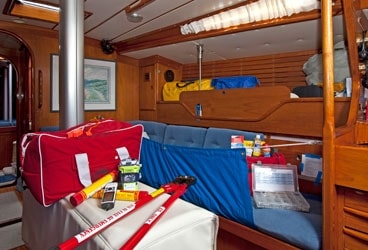
Whether you’re getting ready to race to Bermuda or equipping your boat for a cruise to the Caribbean, the key ingredient to a successful passage is proper planning and preparation. “Hands-On Sailor” from our November 2010 issue.
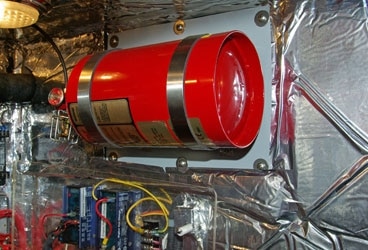
A properly equipped and maintained suppression system can prevent an engine-room blaze from destroying your boat. “Hands-On Sailor” from our November 2009 issue
Get an overview of the best-case search and rescue scenario after you activate an EPIRB.
This November, shift your focus to safety at sea. Here are five stories from our archives that will help you keep trouble at bay.
Simple to install and easy to test, these systems will alert you when things go awry in the bilge. Hands-on Sailor from our August 2011 issue.
Inexpensive detectors are good insurance when it comes to fire safety on your sailboat.
Spinlock recalls some deckvests.
Spinlock recalls some deckvests.
Pyrotechnic and non-pyrotechnic signal aids are critical to help rescuers pinpoint your boat’s exact location in an emergency. “Hands-On Sailor” from our November 2010 issue.
A humble box of baking soda can do more than just keep the fridge smelling sweet. “Hands-On Sailor” from our November 2010 issue
“Fire!,” like the cry “Crew overboard!,” is a warning no sailor ever wants to hear. “Hands-On Sailor” from our November 2010 issue
An afternoon sail goes awry with the call of “Fish on”, the skipper learns a lesson in Murphy’s Law. From the Editor’s Log in our November 2010 issue
Whether you’re getting ready to race to Bermuda or equipping your boat for a cruise to the Caribbean, the key ingredient to a successful passage is proper planning and preparation. “Hands-On Sailor” from our November 2010 issue.
A properly equipped and maintained suppression system can prevent an engine-room blaze from destroying your boat. “Hands-On Sailor” from our November 2009 issue