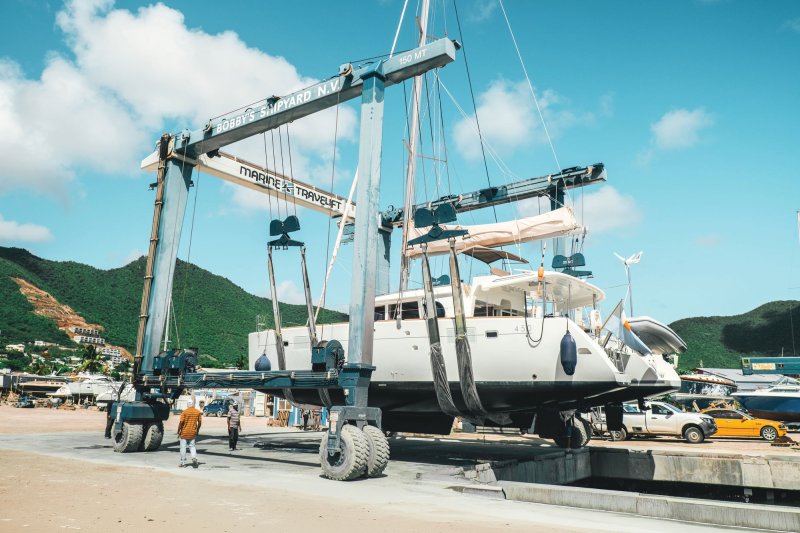
Why Marinas Still Haven’t Caught Up to Catamarans
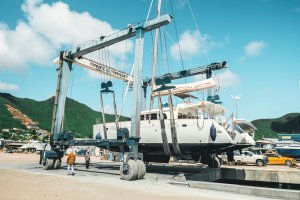
End ties, T-heads and wide-lift yards: the infrastructure gap that every cruising cat owner eventually has to plan around.

End ties, T-heads and wide-lift yards: the infrastructure gap that every cruising cat owner eventually has to plan around.

From a 1986 transatlantic record attempt with Robin Knox-Johnston to the Caribbean Multihull Challenge, one sailor’s ringside view.
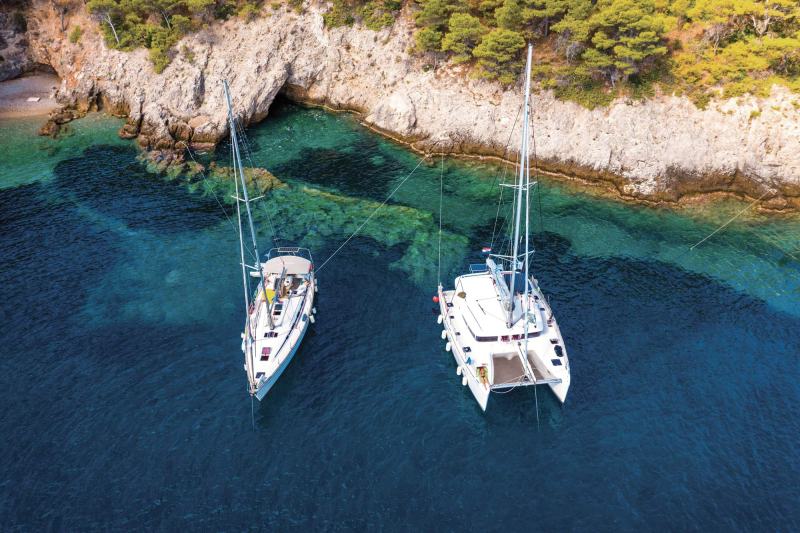
Two to four knots faster on a Pacific crossing saves days. The sailors doing this math are not beginners.
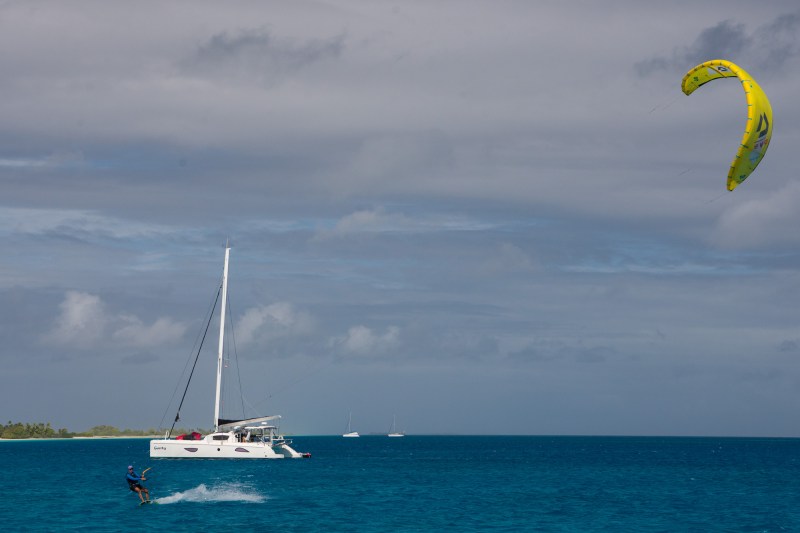
Here’s what 35,000 miles on both monohulls and multihulls has taught one saiilor about the pros and cons of each.
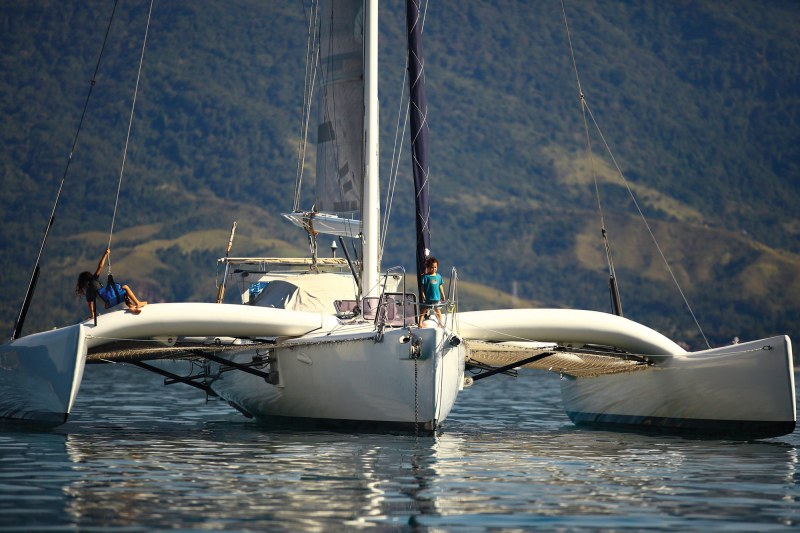
Fourteen years and six children aboard light multihulls: speed is not the risk. It is the primary tool for managing risk at sea.
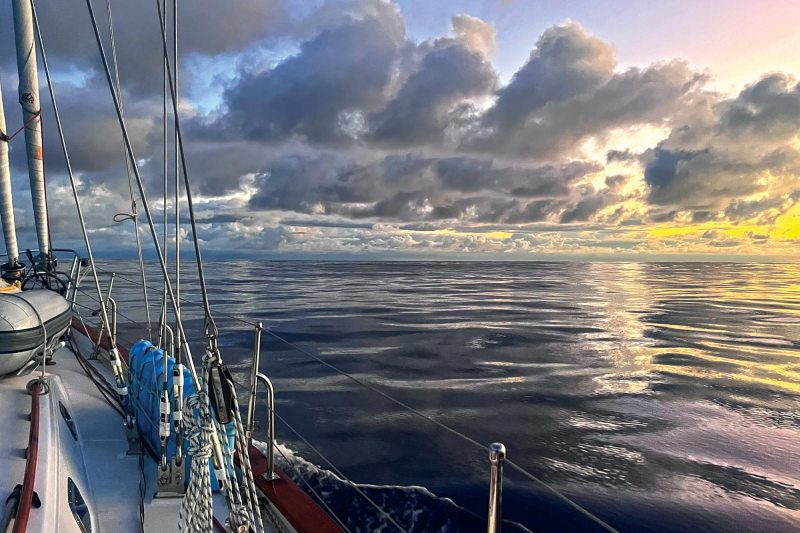
Aboard the Tayana 52 Moonstone, the Antigua Bermuda Race dished it all up, with light air to start and a banger to finish.
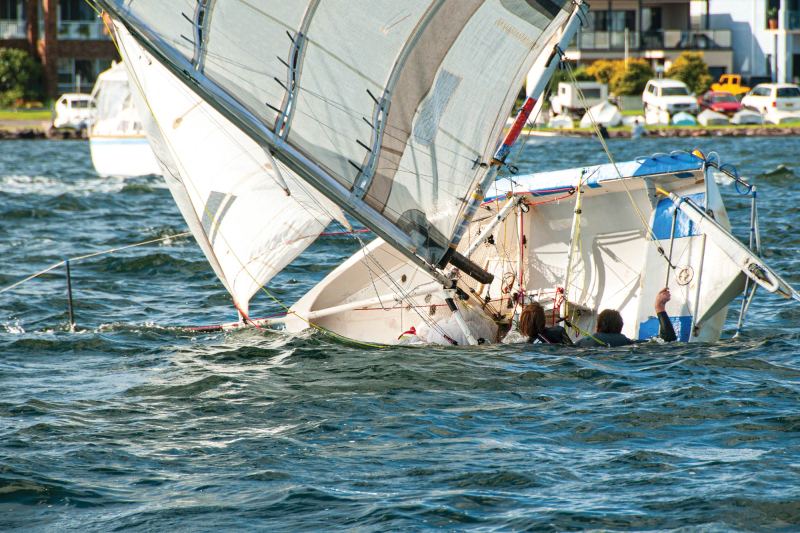
Thirty years after getting lapped in a Flying Junior, the lesson holds: losing fast is the best sailing education there is.
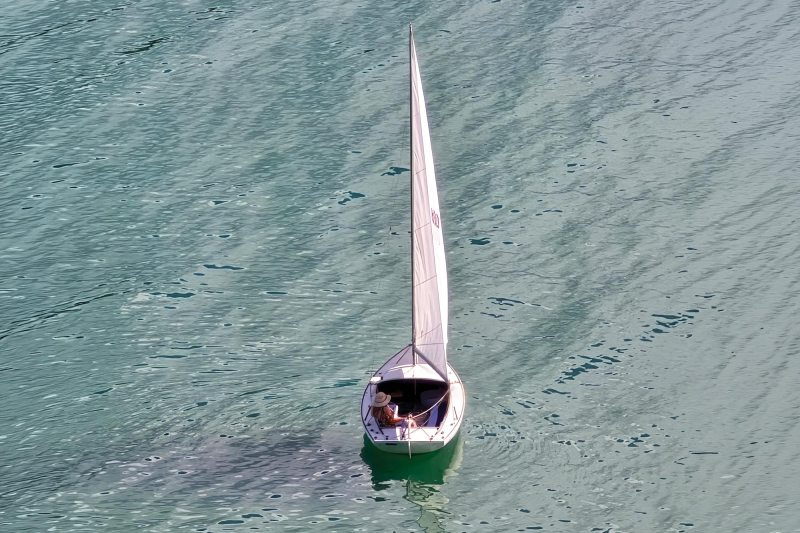
No audience, no pressure and a tiller extension: how Lin Pardey spent an afternoon making useful mistakes on her own.
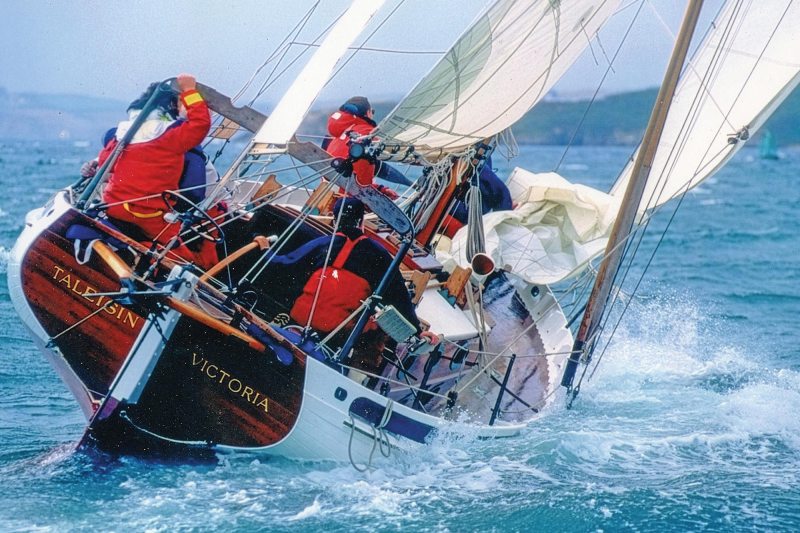
A spinnaker run into Opua and a winter series in Gibraltar proved local regattas are the fastest route into any sailing community.
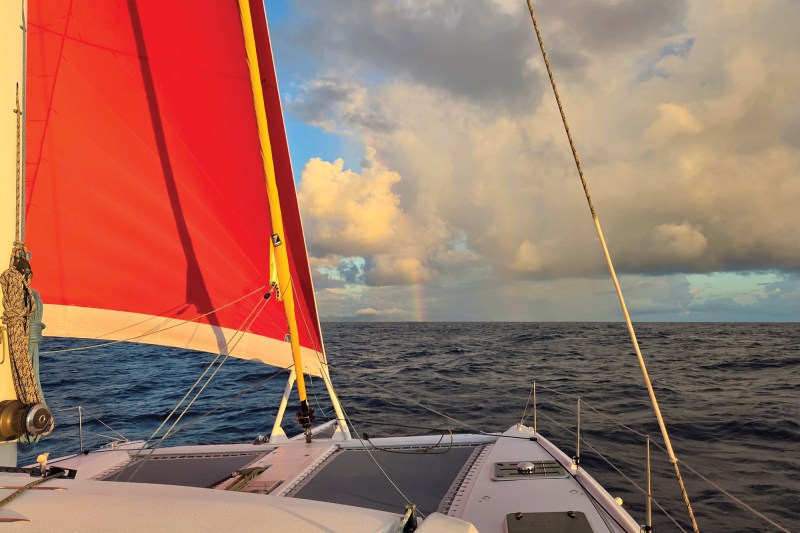
From foul-weather gear off Virginia to barefoot in Antigua, a meridian passage makes distance something you can actually touch.
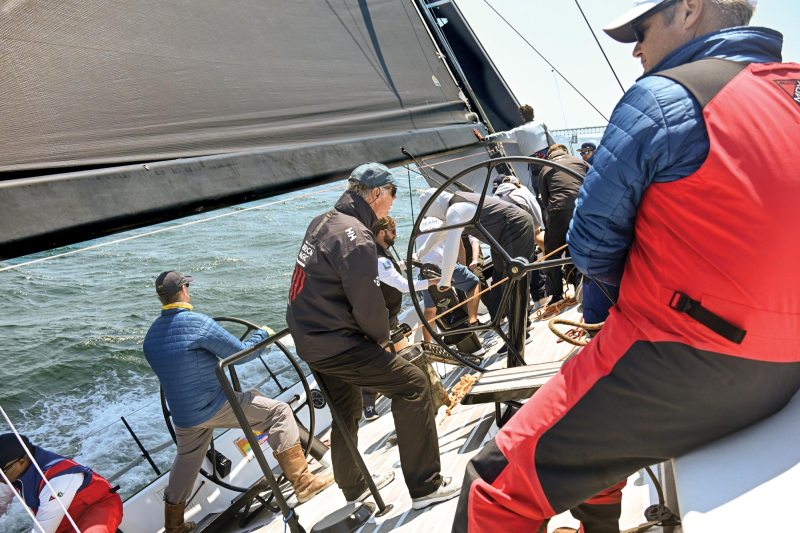
From a headstay failure near Newport to a tangled halyard at dusk, offshore racing delivers its education without apology.
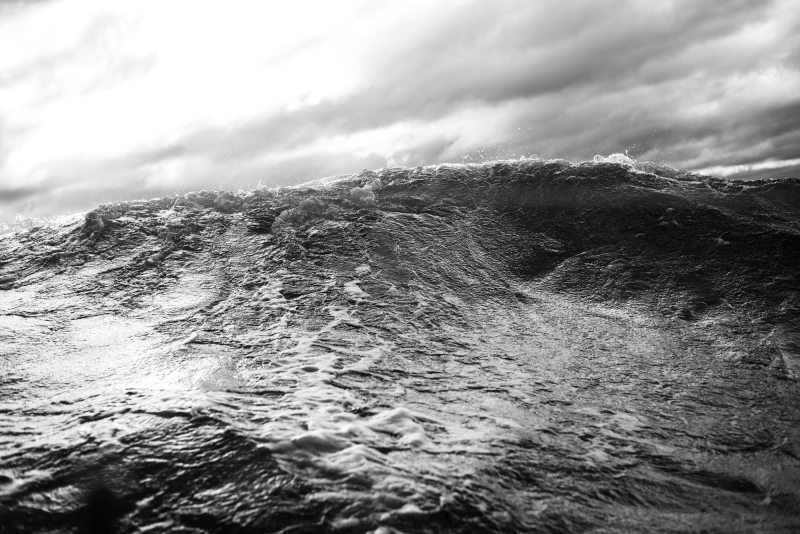
After 40 years tracking global yacht movements, Cornell names the six factors that decide whether a world voyage succeeds.
End ties, T-heads and wide-lift yards: the infrastructure gap that every cruising cat owner eventually has to plan around.
From a 1986 transatlantic record attempt with Robin Knox-Johnston to the Caribbean Multihull Challenge, one sailor’s ringside view.
Two to four knots faster on a Pacific crossing saves days. The sailors doing this math are not beginners.
Here’s what 35,000 miles on both monohulls and multihulls has taught one saiilor about the pros and cons of each.
Fourteen years and six children aboard light multihulls: speed is not the risk. It is the primary tool for managing risk at sea.
Aboard the Tayana 52 Moonstone, the Antigua Bermuda Race dished it all up, with light air to start and a banger to finish.
Thirty years after getting lapped in a Flying Junior, the lesson holds: losing fast is the best sailing education there is.
No audience, no pressure and a tiller extension: how Lin Pardey spent an afternoon making useful mistakes on her own.
A spinnaker run into Opua and a winter series in Gibraltar proved local regattas are the fastest route into any sailing community.
From foul-weather gear off Virginia to barefoot in Antigua, a meridian passage makes distance something you can actually touch.
From a headstay failure near Newport to a tangled halyard at dusk, offshore racing delivers its education without apology.
After 40 years tracking global yacht movements, Cornell names the six factors that decide whether a world voyage succeeds.