I had just finished a year backpacking through Europe and was hungry for new terrain. An offer to work in Costa Rica arrived at exactly the right moment. I accepted a role as assistant to a start-up banking venture, bought a one-way ticket to San José, and set off to live la pura vida.
In the early 1990s, Costa Rica still felt like the developing world. Though the nation was politically and economically more stable than many of its Central American neighbors, life outside compact San José was rural and agricultural. Tourism existed, but only just—a trickle of backpackers squeezing in one last adventure before careers or graduate school.
Roads out of the capital were unpaved and cratered. Bus drivers barreled through potholes with heroic indifference while old American pop music crackled through blown speakers, barely masking the squawk of chickens bundled in baskets and hoisted onto the roof alongside passengers. I grew fond of those rickety, retired American school buses, partly because I spent far more time exploring the country by bus than working in the city. The banking venture that had lured me there never quite launched. With backpack and savings intact, I set off.
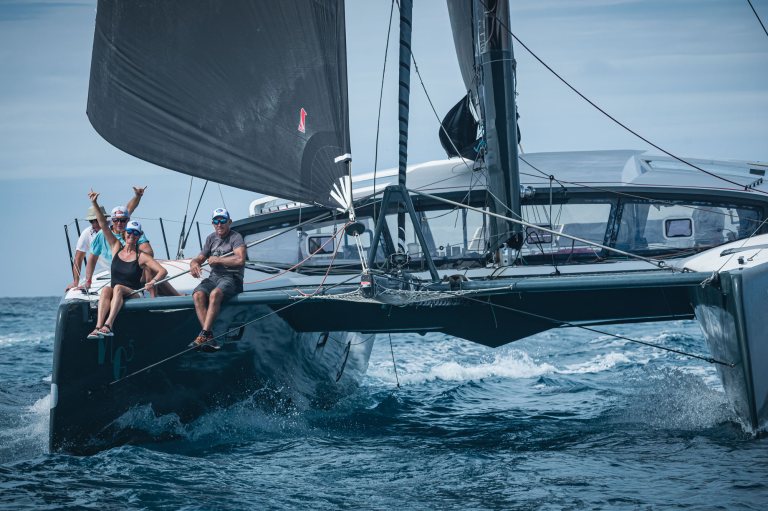
Fast forward 25 years. Returning to Costa Rica had not been part of our sailing plans. My husband and I were focused on the Polynesian islands that lay ahead. Having spent years sailing, together aboard our 50-foot cutter-rigged sloop Ātea and separately before we met, we were drawn to the vastness of the Pacific.
Central America promised something different. We agreed that a few months in Costa Rica would offer contrast and diversity. With minimal planning, we sailed to Golfito, our port of entry on the country’s southern Pacific coast.
I should have remembered the bureaucracy. Costa Rica greeted us with excessive officialdom delivered beneath a friendly smile. Customs and immigration required an agent (non-negotiable) with a fee that effectively doubled the cost of entry. The $400 processing bill caught us off guard. After we made several attempts to sidestep the system, a sympathetic agent reduced the fee by half, a compromise we gratefully accepted.
With paperwork underway, we cleared customs and immigration, only to be stalled by biosecurity. A visual inspection of the boat was required. We had provisioned heavily in Panama for the Pacific crossing. Our freezer was packed with a year’s worth of meat. The biosecurity officer, with the focus of a trained sniffer dog, uncovered every packet of pork. Bacon, cutlets, mince. Each destined for incineration. When negotiation failed, I pleaded. Eventually, compromise prevailed. The meat was returned to the freezer, chained, locked and sealed with official biosecurity tape.
I accepted a short stint of vegetarianism in Costa Rican waters, but my inner carnivore and our Pacific provisions were saved.
An Eco-Adventure Playground
Once we cleared in, I realized this was not the Costa Rica I remembered. This was a polished eco-paradise catering to adventure-seekers and wellness devotees alike. Whitewater rafting. Zip-lining. Suspension bridges. Canyoning. Surf breaks. Active volcanoes. Bubbling hot springs. The list of eco-adventures seemed endless.
Roughly the size of West Virginia, Costa Rica has extraordinary ecological diversity: highland cloud forests in the north, lowland rainforests in the south, black sand beaches on the Pacific coast, white sand on the Caribbean coast. More than a quarter of its territory is protected national park or reserve, with secondary forest reclaiming former farmland. Wildlife sightings aren’t a matter of luck; they’re guaranteed.
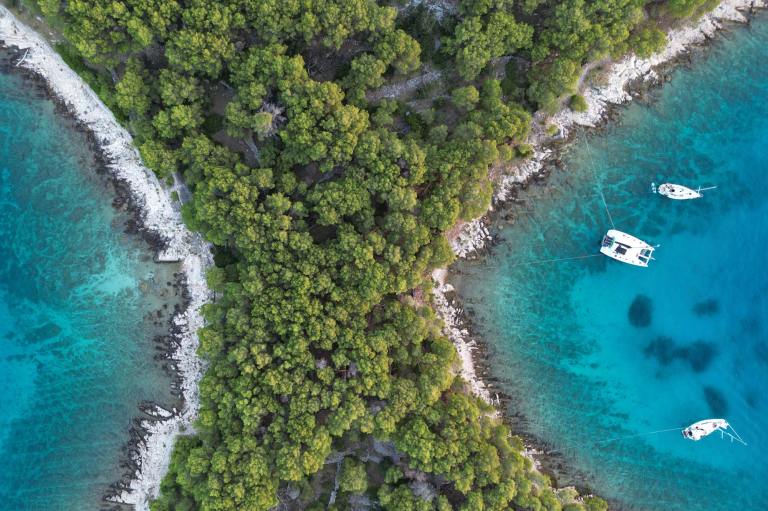
Cruising north along the Pacific coast allowed us to ease in gently. Golfo Dulce, the tropical fjord in the southern province of Puntarenas, was spectacular. Phosphorescence shimmered brilliantly at night. Dolphins tracked our wake. Scarlet macaws flew in bonded pairs overhead, their raucous calls replacing seabird cries. Howler monkeys provided a guttural soundtrack from the jungle canopy.
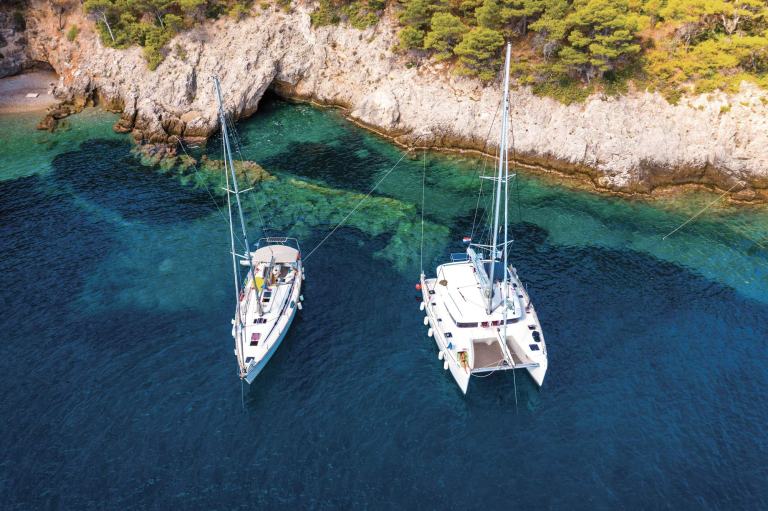
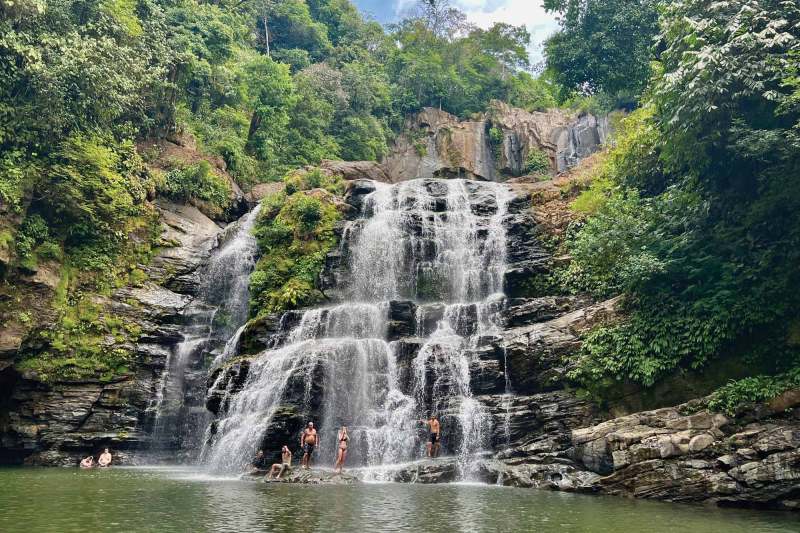
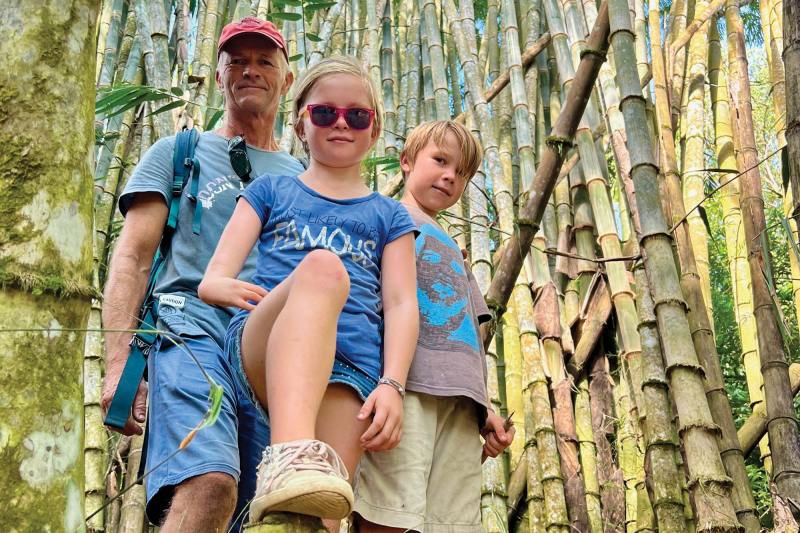
Traveling by yacht gave us freedom. Quiet anchorages, long wildlife walks, waterfalls discovered without ticket booths. The children quickly adapted to long days outdoors, and we were reminded that some of Costa Rica’s best offerings require nothing more than curiosity and time.
Farther north, however, subtle transition became full immersion. From Drake Bay to Tamarindo, tourism intensified, and we surrendered to it. We rappelled into canyons, zipped through leafy canopies, rafted rapids, soaked in hot springs, and trekked volcanic slopes. Guided along forest trails, we searched for sloths, monkeys, coatimundis, tapirs and the elusive quetzal. Everything was available, at a premium.
Pura Vida or Pura Tourista?
People had warned us about the cost. They were right. Activities routinely ran into the hundreds of dollars. Add accommodations and a guide, and costs quickly climbed into the thousands. Eco-lodges and curated experiences dominated the landscape. Convenience came carefully packaged—and priced. Crowds followed closely behind.
Paying to hike to a waterfall is one thing. Sharing it with a hundred camera lenses and sunburned bodies is another. Charging through “must-see” attractions began to feel transactional rather than transformative. I found myself wondering what had become of the peaceful, understated pura vida I once knew.
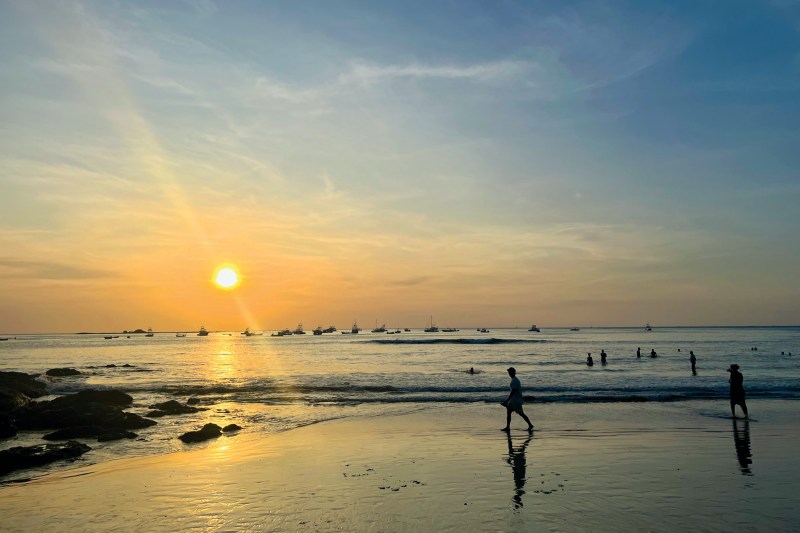
Still, we were there. So we leaned in, selectively. We skipped the shuttles, choosing hitchhiking or hiking instead. We walked where others rode quads. And when we weren’t chasing adrenaline, we surrendered to softer pleasures: long surf sessions, melting ice creams, refreshing piña coladas, aimless wanderings through trinket shops, indulgent late mornings and the occasional hangover. We had come for a change of pace. Costa Rica delivered one. Just not the one I remembered.
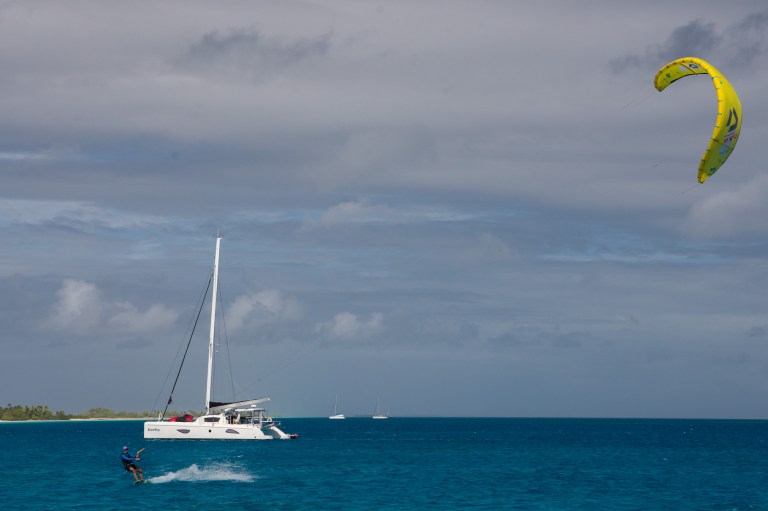
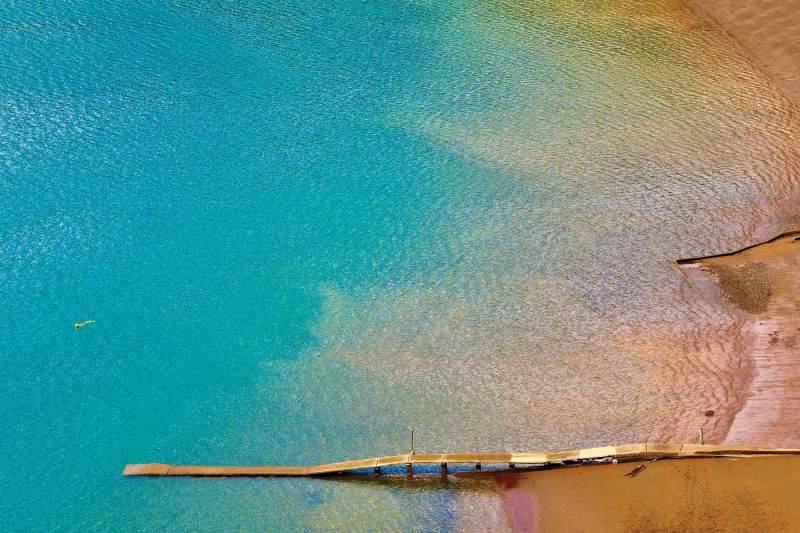
As a cruising destination, Costa Rica is complicated. The volcanic coastline is dramatic, but the water often runs muddy, and the swell is relentless. Anchorages are limited. Surf landings are demanding. Prevailing winds are inconsistent, leaving long stretches of calm seas better suited to powerboats than sailing yachts.
Marinas cater primarily to the sport-fishing industry. Dinghy docks are scarce, and beach landings require negotiation, with surf, security and often skeptical onlookers. More than once, we left our dinghy behind and swam ashore with our clothes in dry bags, having no other way to make a shore landing.
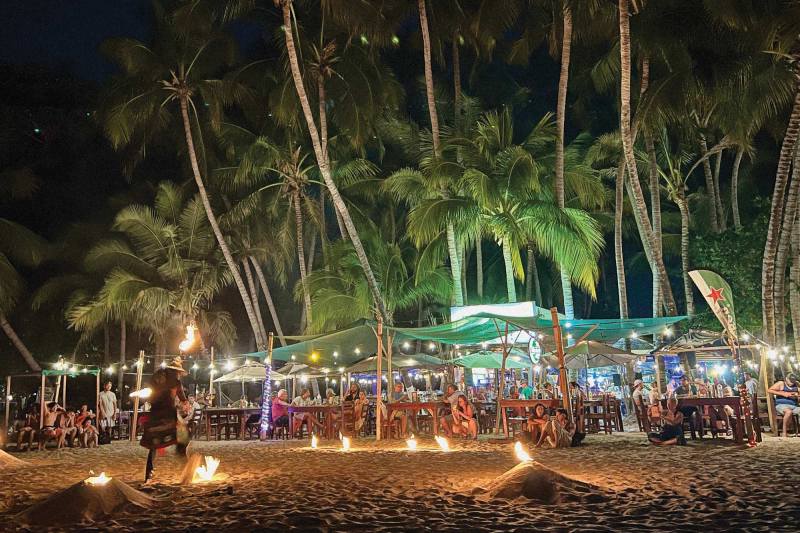
And yet, we reached remote communities, quiet beaches and working fishing villages untouched by tourism. We watched fishermen launch heavy skiffs through pounding surf, timing waves with precision. Eventually, we learned to read the sets ourselves, waiting for the final roller before gunning toward shore in its wake. There was camaraderie in that shared challenge. In those fishermen, I glimpsed the enduring truth beneath the pura vida branding.
Over time, I realized that cruising Costa Rica is not just about sailing. It is about access. The ability to toggle between spectacle and solitude. Between curated adventure and quiet coastline. Costa Rica today is waterfalls and zip lines, camera clicks and tour buses. It is also silent anchorages, scarlet macaws at dawn and howler monkeys echoing through jungle valleys. It is sloths and surf, fishermen and phosphorescence, crowded beaches and empty shores.
Somewhere between the brand and the bustle, la pura vida still exists. You simply have to know where to look.