When I sat down with Richard and Ali Hadida to learn about their participation in the 2026 Oyster World Rally, I expected to hear a lot about rally logistics and the technical prowess of the Oyster brand. Richard is, after all, the tech entrepreneur who owns and chairs Oyster Yachts.
In less than a minute, the conversation got real. We weren’t talking about carbon fiber or sail plans at all. Instead, we were talking about the Carpe Diem tattoo on Richard’s wrist; the vulnerability of a mother who, despite her medical training, feared the motion of the ocean she was about to cross; and the particulars of childproofing a sailboat for a curious little toddler to circle the globe on.
Ali, a former National Health Service doctor in the U.K., told me about the day she tested her 2-year-old son Harry’s life jacket by tossing him into the water. She’d done the research and bought the best gear, but when Harry hit the surface, the jacket flipped him, holding his head dangerously low. It was a shocking wake-up call. Being on the boat was no longer about just having the right equipment. It was about the reality of using it. That pool session changed how they approached the rally entirely.
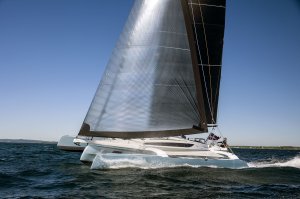
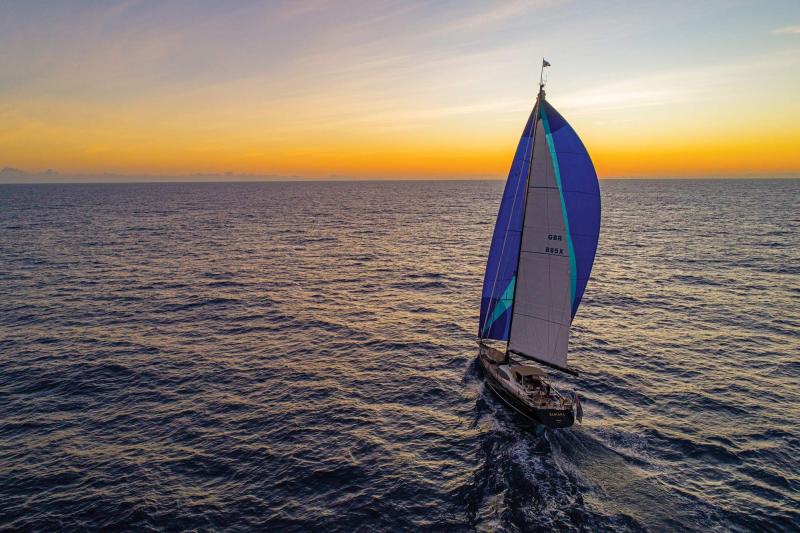
It’s easy to look at a gorgeous yacht like the Hadidas’ 88-footer and think it’s the boat that makes the voyage, but I’ve met enough successful sailors to know that isn’t true. Offshore cruising legend Jimmy Cornell tells me that, at any given moment, there are roughly 10,000 boats out there wandering the world. The ones that reach their intended destination aren’t always the ones with the biggest budgets or the flashiest gear. They’re the ones whose crew have the right mindset.
As cruisers, we’re great at the “how.” How do we childproof a cockpit? How do we layer our seasickness pharmacology? How do we stay connected to a boardroom from the middle of the Pacific? But what struck me most about the Hadidas was their honesty about the “why.”
There’s irony in the fact that to truly reset their lives, Richard and Ali will have to slow down. In their world, one of high-stakes tech entrepreneurship and the relentless pressure of the NHS, success is measured by speed. Yet, their chosen reset is a lengthy voyage that’s going to force them to acknowledge every mile and to trade the persistent pace of life ashore for something that burns a lot slower.
I like to note to my non-sailing friends that more people climb Everest than sail around the world. I’ve always dropped that nugget of knowledge to emphasize the challenges of ocean voyaging, but after my chat with Ali and Richard, I see it differently. It’s not just about the difficulty; it’s about the intention. It’s about recognizing a window of opportunity while it’s still open and having the guts to jump through it.
I’ve promised to sit down with the Hadidas again in 18 months to hear about the highs and lows of their endeavor, and especially about the regenerative tourism work they plan to do along the way. But mostly, I want to see who they’ve become after a year and a half of living on, and at the speed of, the breeze. Because if a doctor and a CEO can find their chill at 10 knots, then maybe there’s hope for the rest of us.
Read More About the Hadida’s Oyster World Rally Experience