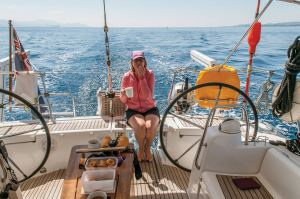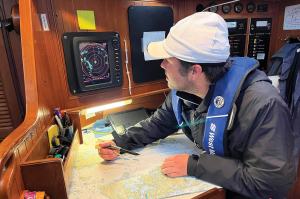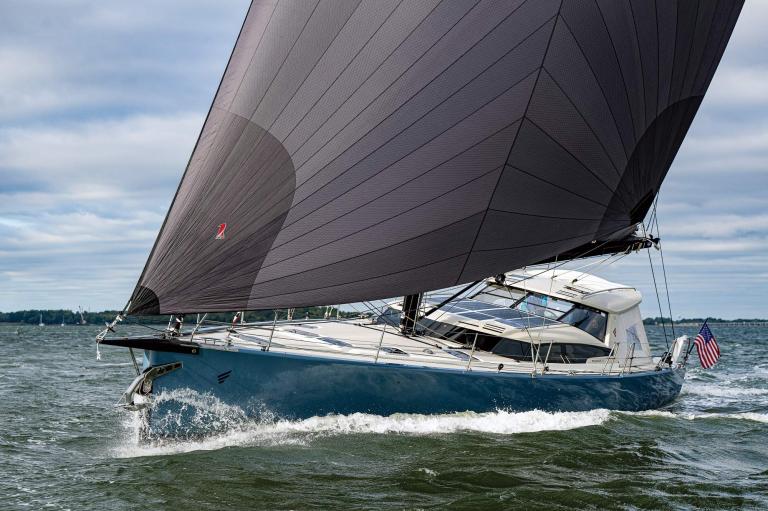
Day one of Boat of the Year 2026 sea trials was a 40-knot reminder that the Chesapeake Bay answers to nobody.
The forecast for Monday looked grim enough that our judging panel made the call to stand down before Sunday was even over. It was the right choice. Fifteen boats, most of them fresh off the docks in Annapolis, Maryland, don’t need to be stress-tested in conditions nobody signed up for. By morning, squalls were rolling through in succession and the bay was a mess of short, steep chop—confirmation, if any was needed, that we’d read the situation correctly.
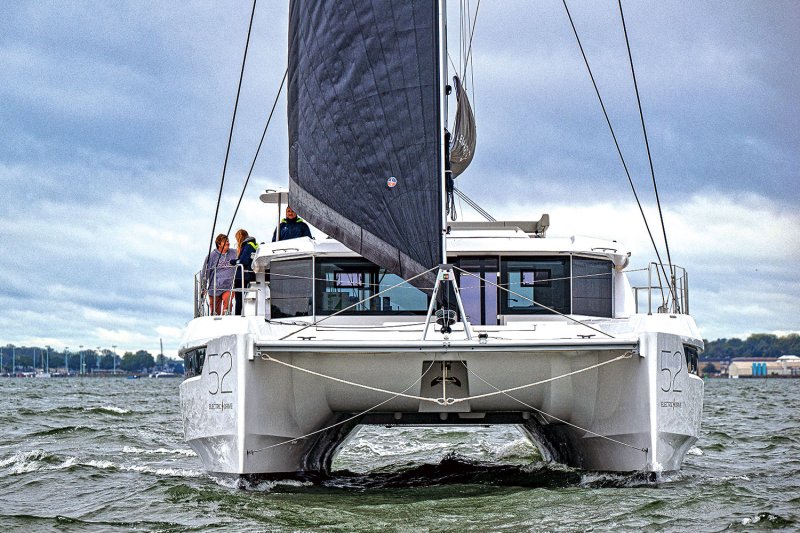
The Leopard 52 crew had a different opinion.
To their credit, the Leopard team looked at the same forecast the night before and said: We’re going anyway. I’ll admit, their determination produced equal parts admiration and nervous energy from the dock. But the decision to head out on a day most sane sailors sit out is either tremendous confidence in your product or a very expensive miscalculation.
As it turns out, it was, emphatically, the former. The Leopard 52 handled the conditions with a composure that settles arguments.
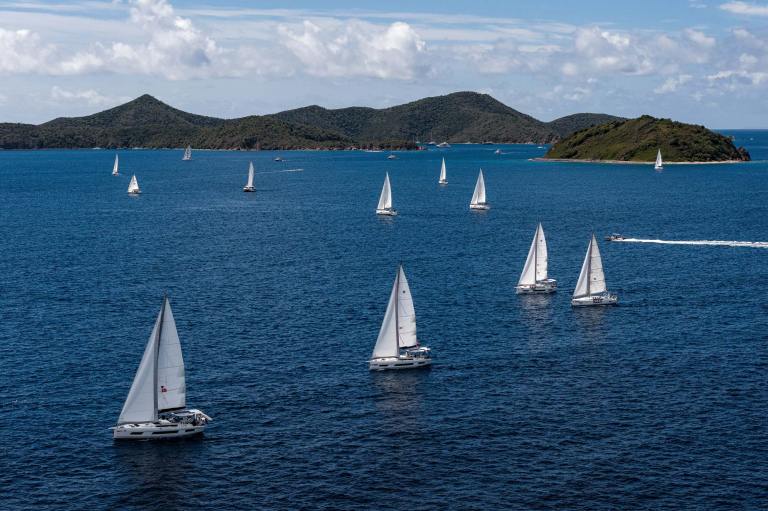
The weather relented, as Chesapeake autumn weather generally does, and we got three outstanding days of testing after that. Fourteen nominees—split evenly, for the second consecutive year, between monohulls and multihulls—rotated through a judging process that I’ve now witnessed enough times to appreciate deeply, and participated in enough times to know I’m reliably the least-qualified person on any given boat.
That, honestly, is one of my favorite things about Boat of the Year season.
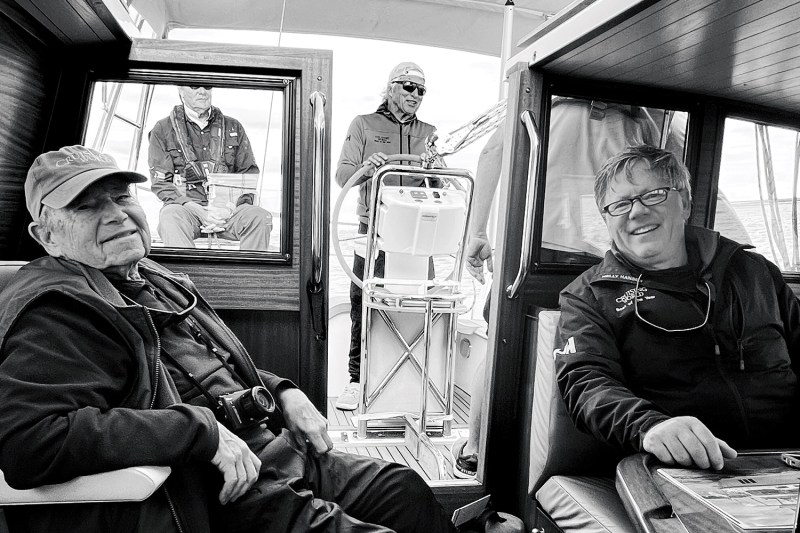
This time on board with our judges has become the week I look forward to most in my editorial year. Part of that is obvious: spending four days on the newest, most interesting sailboats on the market is not a bad way to earn a living, and I am under no illusions about how lucky I am. But the more valuable part, the part that actually makes me a better editor, is what happens between the tacks.
Herb McCormick, Tim Murphy and Ralph Naranjo are, collectively, about as deep a reservoir of sailing knowledge as you’ll find on one boat. These are people who have sailed everything, evaluated everything and formed strong, well-earned opinions about all of it. Sharing a helm with them—listening to what they notice and what they dismiss, watching where their attention goes on an unfamiliar deck—is an education that’s hard to replicate. As Tim put it this year, talking about the fleet’s eye-watering price tags: “There are good ways and bad ways to spend a million dollars.” He’s been right about most things I’ve heard him say on a boat. I’d take that one to the bank.
The five winners across this year’s fleet—four category awards plus a special judges’ recognition—all earned their hardware the same way, regardless of origin or asking price: They sailed magnificently. In a fleet representing six countries, that common denominator was the one that mattered most.