Every boater has a bucket list of places they dream of sailing someday. (Tahiti, anyone?) The charter choices are so endless, it can be hard to know where to begin when you’re thinking about booking a bareboat charter.
Start by deciding what kind of vibe you want. Tiki bars, swaying palms, white-sand beaches or a little more cultural immersion? Tropical or temperate? Gentle winds or boisterous breezes? To ensure a great bareboat vacation, choose an area (and a boat) that match your experience and confidence level. Many sailing areas are fine for novice or midlevel sailors; others require significant experience and broader ability.
Studying unfamiliar destinations before a voyage is part of every serious cruiser’s toolkit. The same is true for chartering. It’s part of the fun. Once you’ve pinpointed a general region, it’s time to dig deeper.
For this task, using AI is an easy option. Ask it to rank popular sailboat charter areas in your chosen region, in order of “easy sailing” to “difficult sailing.” If you enter “Caribbean” as your region, AI will present a summary of why each island area is ranked easy, moderate or difficult. After that, read what charter companies’ websites have to say, just in case the AI got something wrong.
It’s customary for bareboat-charter companies to ask for a sailing resume, but check to see if there are any requirements for captains and crew in your sailing area. Some places mandate specific licenses for skippers; some also require one other competent crewmember. Some companies may ask you to take a supervised on-water ability test before they let you cast off for the week. Requirements are generally noted on charter companies’ websites. Be aware that even basic coastal or bareboat-charter licenses, combined with limited on-water experience, often leave skippers unprepared to deal with sailing conditions, navigation and other skills that are needed in far-flung sailing grounds.
If all this sounds like way too much prep work, you can book your charter via a reputable bareboat-charter broker, who’ll do these preliminaries for you.
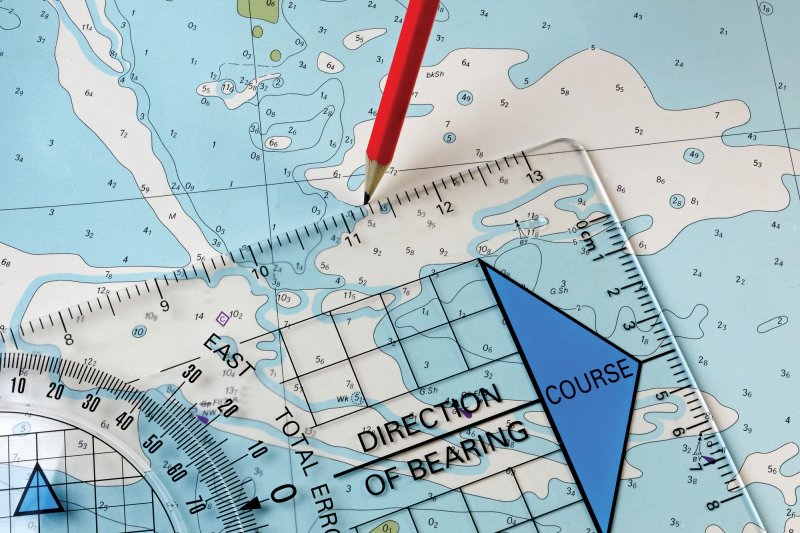
No matter whether you’ll be the skipper or first mate, learn as much as you can about your chosen sailing area. Check out nautical charts online on sites such as OceanGrafix, or use the Navionics Boating app for charts worldwide.
Peruse local cruising guides or pilot books (your local library is always a choice; many now lend e-books online). Don’t use mainstream travel guides to form ideas about where to go; most offer glowing descriptions of places that often aren’t accessible by sailboat. Guidebook maps are often incomplete or misleading in terms of scale.
Pay particular attention to the area’s prevailing winds, wind strengths, seasonal and local weather patterns, and navigational hazards. Note whether navigational aids may be few and far between, or if a foreign locale uses a different buoyage system. The Americas have you keep red markers on your right when returning to port. Europe and most of the rest of the world keep them on your left. This inversion can cause maximum grief if you’re not prepared.
Find out if the daily routine involves grabbing a mooring, anchoring out, docking or Mediterranean-style mooring. Check to see which weeks during the area’s sailing season draw the largest crowds. Try to avoid sailing then; crowds can make all of the above more challenging.
Finally, ask yourself: What kind of pace do you want? Relaxed or rigorous? Bareboat companies usually have suggested itineraries; study them. Keep in mind the distances between ports and islands, not only in terms of nautical miles, but also in terms of the time it will take to cruise at a boat’s average speed under sail or power. Be mindful of the number of full days you’ll have, as well as sunrise and sunset times. (Most companies do not allow sailing at night.)
Bear in mind that initial checkout and briefings can take time, as can provisioning. Also ask when the company requires you to be back within easy range of the charter base as the charter draws to a close.
Finally, if you’re a novice sailor, start with an easier charter area. As you gain skill on the water, you can move up to moderate and difficult charter locales.
That said, if you already have your heart set on your fantasy destination, there’s always the option of a professional local skipper, at least for the first couple days of a bareboat charter. It’s a benefit that even experienced sailors often take advantage of.
Sailing is, after all, supposed to be about relaxing.
Sail Right: Matching Your Skill Level to the Perfect Charter Destination
Not all Caribbean and Bahamian waters are created equal. From the protected coves of the British Virgin Islands to the remote passages of the Exumas, each destination presents its own challenges and rewards.
Even in “easier” areas, chartering a bareboat yacht requires recent sailing experience on a comparable yacht for the captain and at least one or two crew members. All companies ask for detailed sailing resumes; a sailing license may be required or suggested in French territories. Specific sailing-experience requirements are detailed on most bareboat companies’ websites. All companies offer the option of adding a professional skipper for part or all of the trip.
Here’s a general guide to help you match your experience level to the right cruising ground before you book.
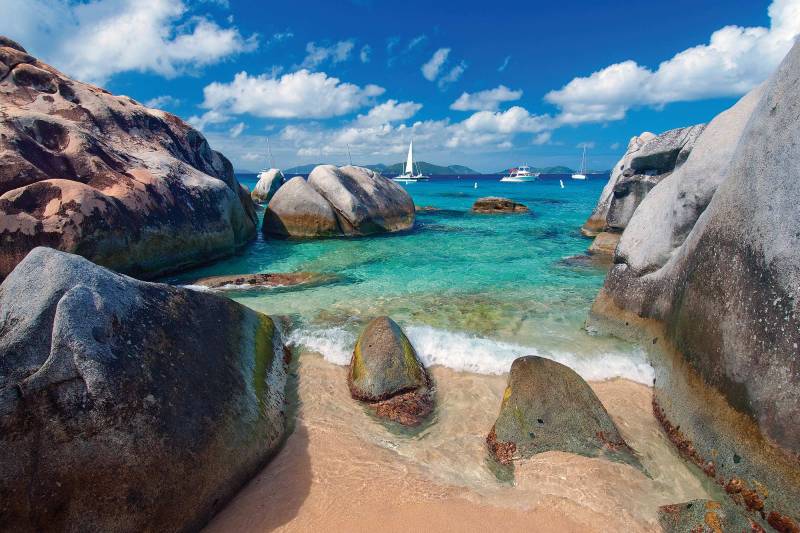
Less Experienced Sailors
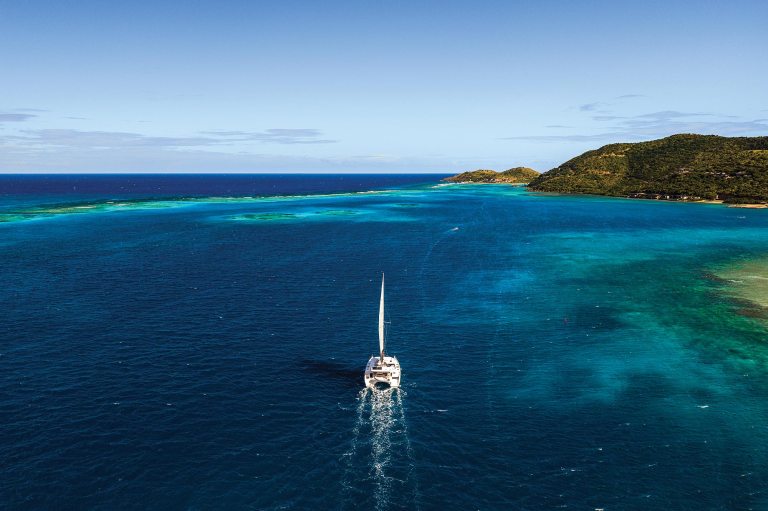
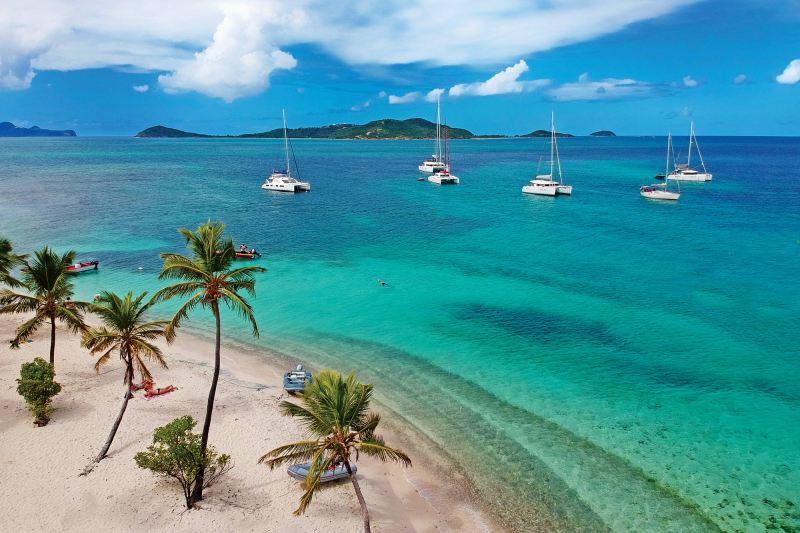
British Virgin Islands (BVI): Relaxed sea conditions, protected waters. Line-of-sight navigation. Mooring balls available.
U.S. Virgin Islands (USVI): Comfortable cruising, line-of-sight navigation. Mooring balls available. Note: Some companies do not allow crossing to the BVI due to strict BVI maritime policies and steep commercial permit fees.
Martinique (cruising Martinique only): The leeward side offers protected sailing and consistent winds. Mix of mooring and anchoring out; moorings are favored to protect coral reefs.
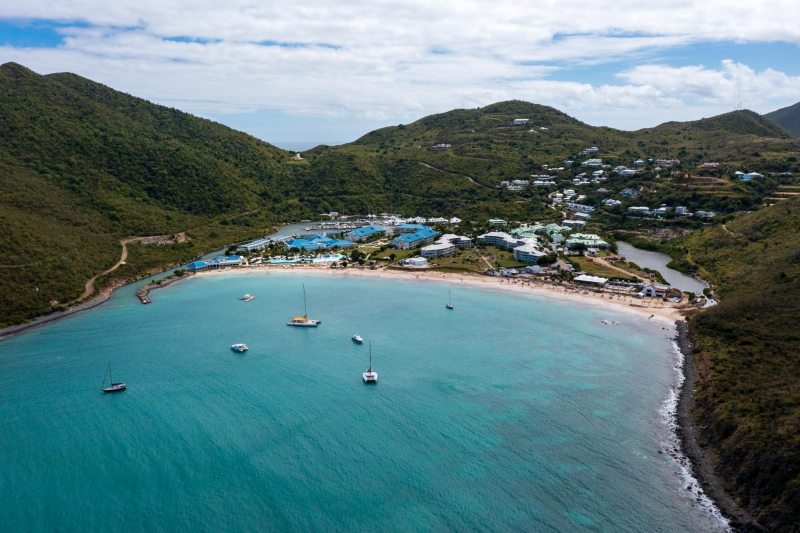
Intermediate Sailors
St. Martin: Areas of open-water sailing. Brisk winds; moderate ocean swells. Requires clearing customs and immigration between French St. Martin and Dutch St. Maarten and between British Anguilla and French St. Barts.
The Abacos, Bahamas: Generally protected but requires sharp navigation skills. Extremely shallow waters. Requires ability to read both charts and sea color to avoid reefs and shoals.
Antigua: Strong winds, some open water. Mix of protected and exposed areas. Very few moorings; anchoring out or marina docks in some areas. Small bareboat fleets; crewed yachts prevail.
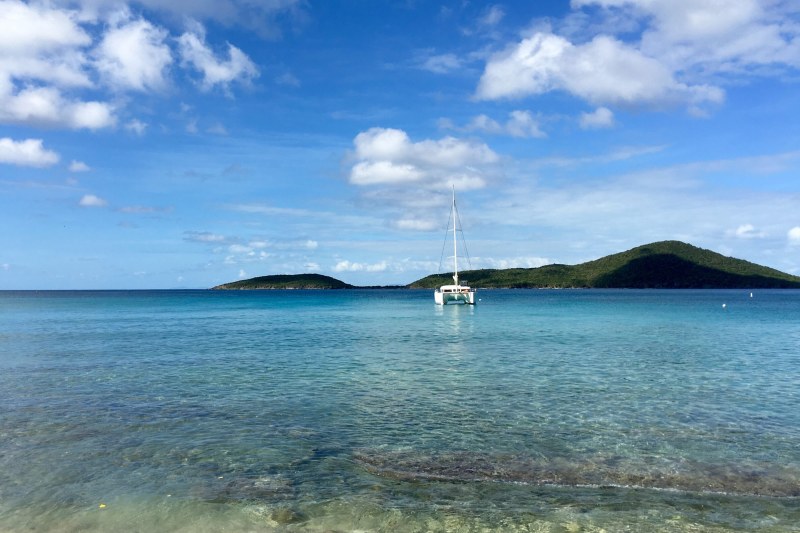
Advanced Intermediate Sailors
Spanish Virgin Islands: More open water. Generally less support infrastructure nearby; requires knowledge of yacht systems and solid self-sufficiency. Very few mooring balls. Good navigation skills and anchoring proficiency needed. U.S. Customs and Border Protection (CBP) clearance required if starting in the USVI (even though both are U.S. territories).
Experienced Sailors
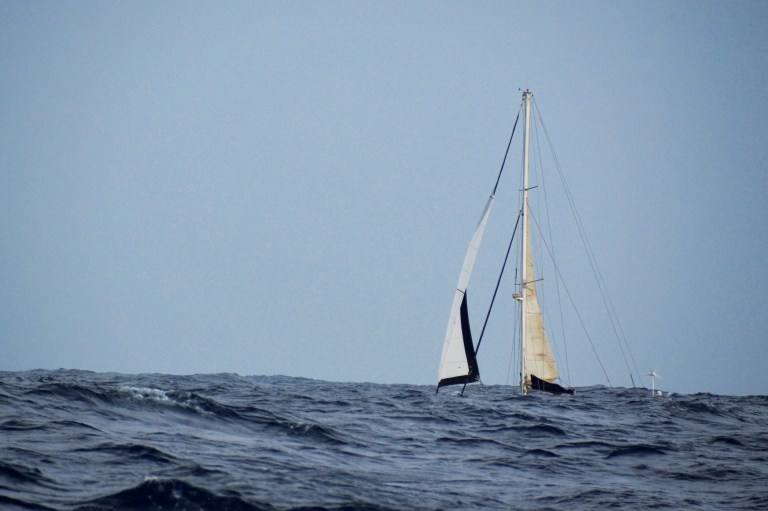
St. Lucia, St. Vincent and the Grenadines, Grenada: Strong winds. Longer open-ocean sails if you venture between islands. Seas and swells can be large and confused. Mix of moorings, anchoring out and docking stern-to at quays using a lazy-line bow mooring. Some remote anchorages. Customs and immigration required if sailing between different island nations.
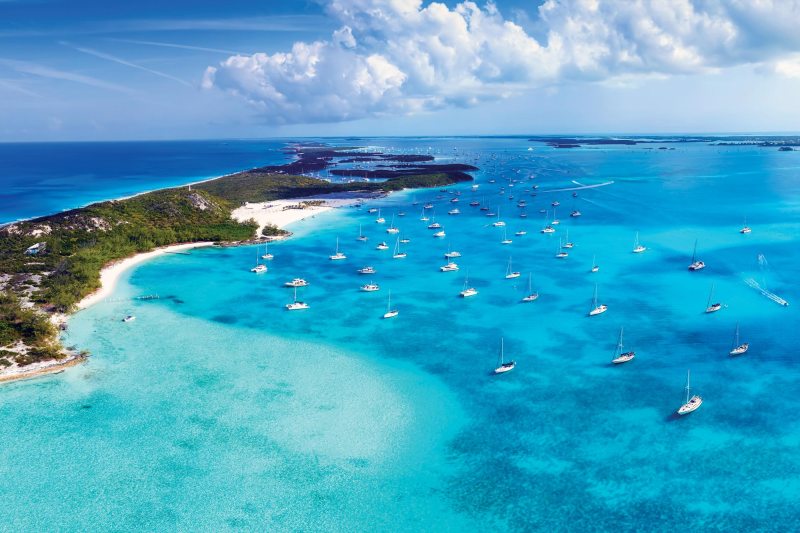
The Exumas, Bahamas: Long open-water passage if sailing from Nassau; rough weather possible. Shallow water; excellent navigation skills needed. More remote; less readily available support infrastructure; requires self-sufficiency. Mix of moorings and anchoring out. A professional skipper may be suggested.
Cruising World editor-at-large Lynda Morris Childress sails her Atlantic 70 cutter, Stressbuster, with her husband, Capt. Kostas Ghiokas, on owner-operated charters in the Greek Islands and has chartered bareboats in the United States and abroad.