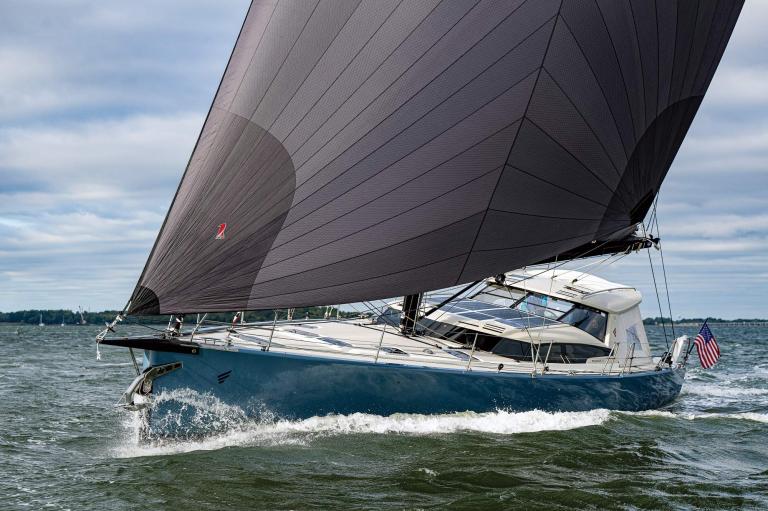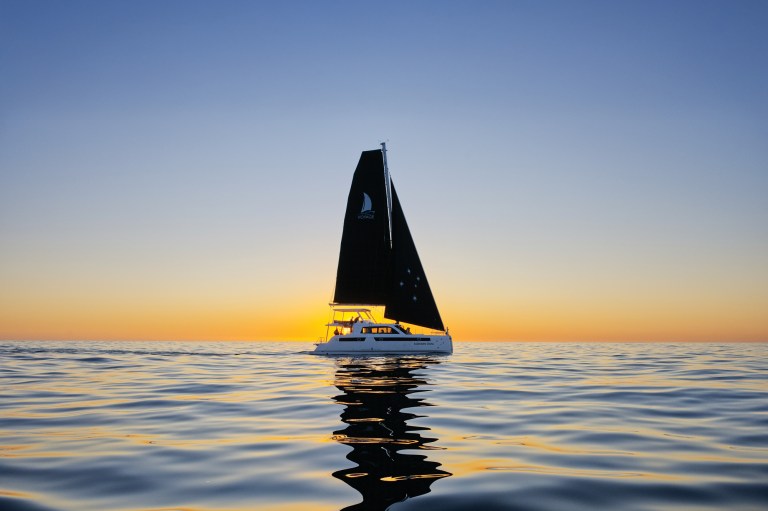
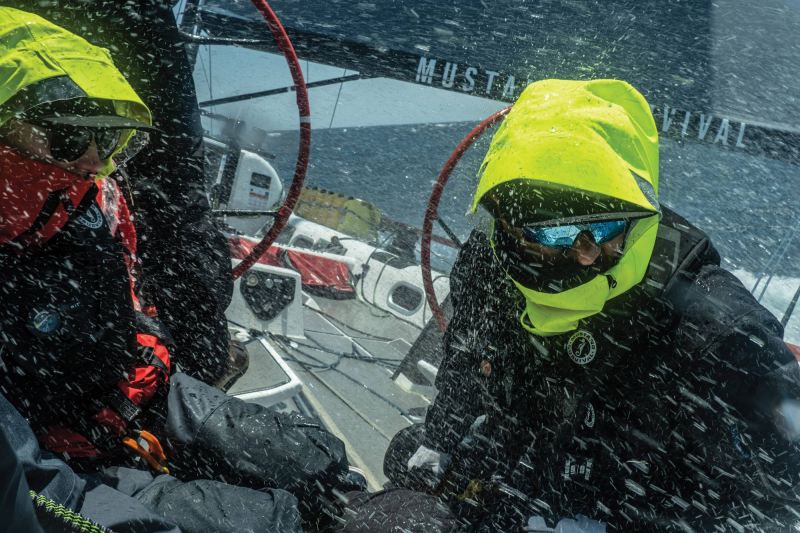
We made the turn at the sea buoy 19 miles off Norfolk, Virginia, and headed north. The weather forecast called for a building breeze from the northeast. Soon it was blowing 22 to 27 knots. Out came the foul weather gear.
The sailing was exhilarating as we averaged over 12 knots. It was also wet as our 66- foot boat powered through the building seaway. When I went below for my well-earned off watch, I realized my foul weather gear was soaked inside and out. Maybe even worse, the sole of my right boot had fallen off.
We still had 300 miles to sail, and it was cold at night.
Having the correct clothing is important for offshore sailing. Good foul weather gear is expensive, but worth the investment. Your kit (a nifty term) needs to be comfortable, warm, dry, easy to put on and take off, lightweight and, hopefully, good-looking.
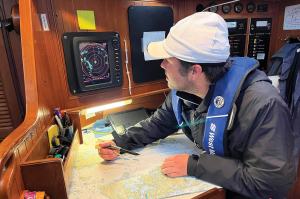
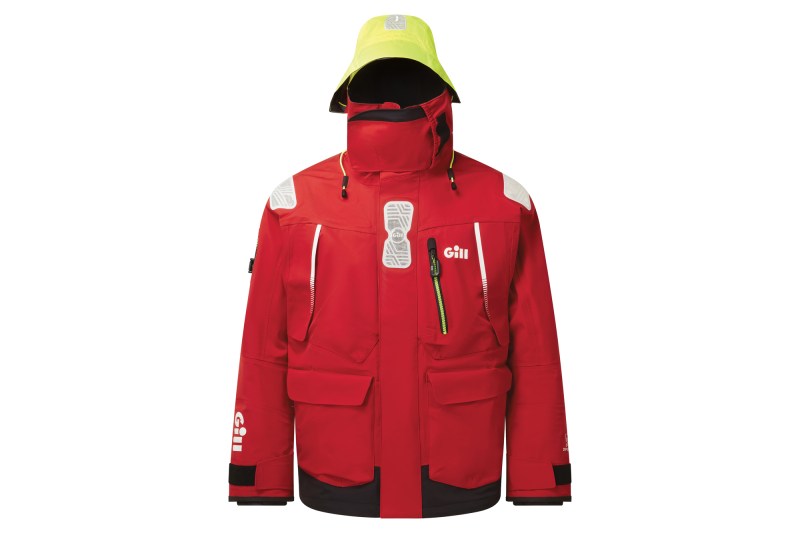
Taped seams over stitched areas helps keep the water out. I favor foul weather jackets that are longer in the back to prevent any riding up. When you purchase new gear, try on the jacket with the clothing you plan to wear underneath. The closure around the neck needs to be secure to keep warmth in and water out. The sleeves should have an inside cuff to keep water from leaking in. I favor high collars and hoods that keep bright sun and water off your neck. Reflector tape should be on the sleeves, hood and shoulders so a flashlight will help locate you during a search. An easy-to-use zipper is essential, and larger zippers are easier to work with because of cold fingers at night. Pockets are important as hand warmers and to carry flashlights, repair kits, a radio, glasses, hats and any number of important items.
Once you have all of that on board, label every piece of your clothing so your kit doesn’t disappear.
I favor bib-overall foul weather bottoms. The high-chested garment keeps water out, with no restriction on the waist. Velcro straps on the leg bottoms provide more water-resistant coverage. Try on foul weather pants while wearing boots to make sure the pants are easy to pull on. (This is why traditional naval sailing pants had bell bottoms.)
Wearing several layers of clothing under the foul weather gear is a good practice. Layers can be peeled off as the temperature warms, or added as it gets colder. I favor synthetic microfiber, pile or fleece fabric that is comfortable and dries quickly. Modern athletic clothing absorbs moisture and can be fast-drying as well as durable. The combination of foul weather gear and synthetic clothing provides warmth and keeps you dry. Wearing long underwear made of a quick-drying fabric works well under foul weather pants.
The downside of synthetic fabrics is a lack of breathability. But cotton and wool, which are breathable, take a long time to dry. I did a 36-day expedition to Antarctica on a 54-foot sailboat and wore synthetic clothing for the entire trip. When we returned to the mainland, it was refreshing to revert to cotton and wool clothing.
One of the most important items to wear on a sailboat is nonslip boots and shoes. I’ve seen many accidents due to people sailing with bare feet or sandals. Boat decks are slippery, and hazards include equipment and lines. It is easy to trip when moving about on a rolling, pitching vessel. I prefer lace-up shoes that feel secure on my feet.
Gloves help with grip and protection when trimming sails or steering, especially in cold weather. When your hands and feet are warm, you sail better. Some years ago, I did a long-distance race with no socks. My feet were chaffed for two weeks. Now, I religiously wear thick socks when sailing.
Sun causes skin damage, even on foggy or cloudy days. Most sailors today wear protective clothing such as hoods, scarfs and hats. Use a clip to keep your hat attached. Sunscreen and good, dark glasses are also indispensable when sailing. The glare on the water causes eye damage. Secure your sunglasses with a lanyard around the back of your head. I also carry clear prescription glasses for sailing at night.
I have a closet filled with jackets, shirts and sweaters with the names of boats embroidered on the chest. Wearing clothing with boat names builds crew morale and pride.
Designate specific areas of the boat for crew gear. Every boat should include a clothing rack or place to hang wet foulies for drying. Designate drawers and cubbyholes for individual crew. There is nothing worse than a cabin with lots of wet gear randomly spread around. Sailors lose things and spend valuable time searching for missing items.
I make sure to include at least one change of clothing when I go on an overnight (or longer) passage. A dry shirt, socks, pants and fleece jacket are welcome when the weather clears, and changing into dry clothes gives wet clothing more time to dry.
Dinghy sailors wear a dry suit, especially during cold-weather sailing. For the most extreme weather conditions, survival suits provide warmth and flotation for long periods of time. Offshore yachts often keep one or two on board in case of an emergency.
I recommend purchasing foul weather gear, sailing boots and shoes, and sailing clothing at a retail store so you can try things on to make sure they fit properly. The staff will be knowledgeable about the appropriate types of clothing for your sailing aspirations.
Shopping List: Kit Essentials for an Offshore Passage of Two Days or More
- Foul weather jacket
- Bib
- Synthetic fleece or pile jacket or top
- Long underwear
- Synthetic fabric shirt and pants
- Gloves (fleece-lined for winter)
- Sunglasses with a neck lanyard
- Hat with a clip
- Grippy shoes with laces
- Sea boots
- Socks